


Servicing, relocation, and preparing boats for the next season
The charter season does not end when the last guests step off the boat. Instead, this marks the beginning of a crucial period during which key decisions are made regarding servicing, storage, and potential off-season relocation of charter boats. What happens to a charter boat before and after the season has a direct impact on its technical condition, long-term value, and readiness for the next charter cycle.
After intensive use during the season, charter boats undergo detailed technical inspections and maintenance planning. Depending on the strategy of the owner or charter company, part of the fleet may remain in the same location, while other boats are relocated to different marinas or countries for more favorable servicing conditions, winter storage, or preparation for a new market. In these situations, logistics and boat transport become an integral part of professional charter operations.
In this article, we explain what typically happens to charter boats after the season ends, why vessels are often moved away from their home base during the off-season, and how boats are prepared before the start of a new charter season. By looking at the entire process, it becomes clear how important off-season planning is for reliable and successful charter operations.

The first steps for a charter boat after the season ends focus on assessing the vessel’s condition, planning maintenance, and deciding where the boat will be located during the off-season. This phase allows charter operators to carry out tasks that are difficult to complete during the active charter period.
Typically, a detailed technical inspection is carried out immediately after the season. The condition of the hull, engine, propulsion systems, electrical installations, and equipment that has been heavily used during the season is carefully reviewed. This inspection helps identify wear, minor damage, or technical issues that should be addressed before the next charter season begins.
Once the technical assessment is complete, a decision is made whether the boat will remain in its home marina or be moved to another location. Reasons for relocation often include more favorable servicing conditions, access to specialized workshops, improved winter storage options, or preparation for a different charter market in the following season.
In such cases, the boat is frequently relocated to another port or country using professional international road transport for boats, which enables safe and controlled movement of the vessel over longer distances without placing additional strain on the boat itself. This transport solution is particularly common for charter fleets operating across multiple markets or managing a larger number of vessels.
For this reason, the period following the end of the season represents a critical part of the charter cycle. Well-planned first steps help preserve the boat’s condition, optimize logistics, and ensure proper preparation for the next charter season.
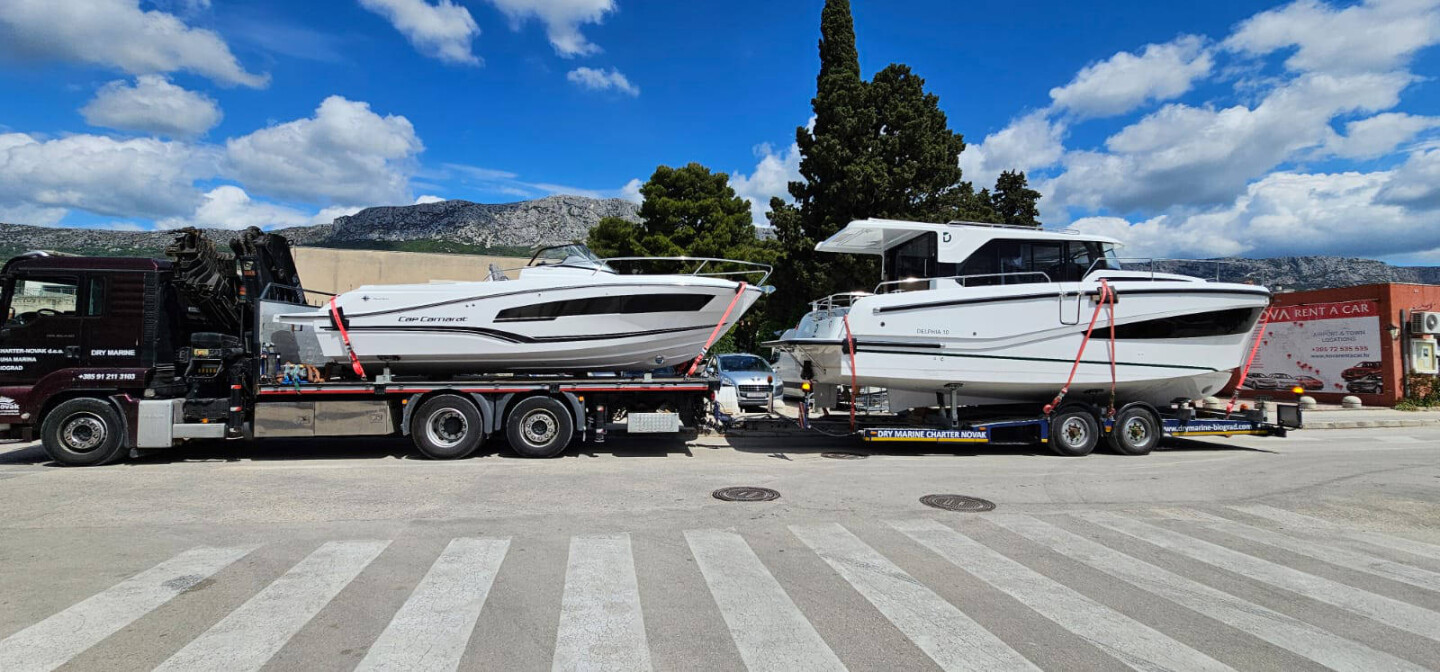
Relocating charter boats to other countries during the off-season is a common practice in the European charter industry and an important part of long-term operational planning. After the season ends, owners and charter companies assess where the boat will have the best conditions for servicing, maintenance, and preparation for the next charter cycle.
One of the most common reasons for off-season relocation is access to higher-quality or specialized servicing facilities in other countries. Certain marinas and service centers offer better winter storage conditions, faster availability of spare parts, or technicians specialized in specific types of vessels. Over time, this can significantly reduce maintenance costs and minimize downtime outside the active charter period.
In addition to technical considerations, charter boats are often relocated for business and market-related reasons. Parts of a fleet may be prepared for the upcoming season in a different charter region, for example by moving from one market to another. This flexibility allows charter companies to allocate vessels more efficiently based on demand and planned seasonal operations.
For these relocations, international road transport of boats across Europe is most commonly used, as it allows for safe, efficient, and controlled movement of vessels over long distances without placing additional strain on the hull or propulsion systems. Road transport therefore becomes a key link between the end of one charter season and the start of the next.
As a result, off-season relocation is not an exception but a standard element of professional charter fleet management. When properly planned, relocating a boat enables better technical preparation, cost optimization, and greater reliability for the following charter season.
The period between the end of one charter season and the beginning of the next often involves multiple stages of boat movement. Vessels may be temporarily relocated for servicing, winter storage, or alignment with business plans, before being returned to their charter base ahead of the new season. During this transitional phase, it is especially important that boat relocation is planned in advance and carried out using professional boat transport, helping to avoid time pressure and unexpected complications just before the charter season begins.
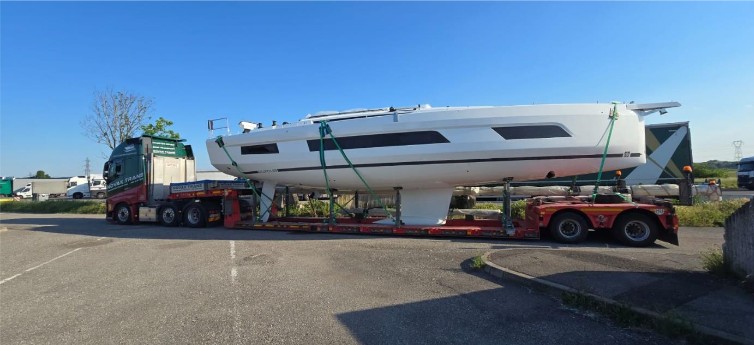
Preparing charter boats before the start of a new season is just as important as the activities carried out after the previous season ends. This pre-season period is when final decisions are made and key tasks are completed that directly affect safety, reliability, and the overall guest experience during charter operations.
If a boat has been relocated to another marina or country during the off-season, it must be moved back to its charter base before the new season begins. This return is planned well in advance to allow sufficient time for final technical checks, cleaning, and preparation for guests. During this phase, logistics and a well-coordinated transport schedule play a crucial role in meeting seasonal deadlines.
Before a charter boat re-enters active service, final technical inspections are carried out. These include checks of the engine, safety equipment, navigation systems, and all components essential for safe operation. Special attention is given to details that directly influence guest comfort, such as the interior, onboard equipment, and overall cleanliness of the vessel.
At this stage, a structured approach to boat preparation is often used to ensure that transport and the return to the charter base are completed without complications. A thorough inspection of the boat’s condition before the season begins reduces the risk of unexpected technical issues, booking cancellations, and operational delays during the busiest part of the charter year.
Well-planned pre-season preparation allows a charter boat to enter the new season fully ready, technically reliable, and aligned with guest expectations. This approach helps ensure continuity of operations and maximizes the potential of the charter season.
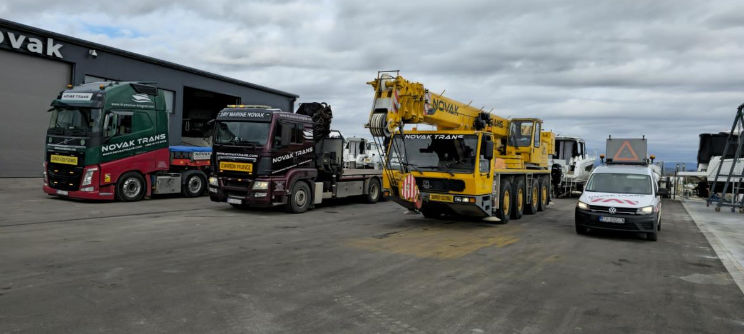
Off-season fleet logistics planning involves a series of decisions that directly affect the technical condition of charter boats and their availability before the start of a new season. Professional charter companies plan servicing, storage, and boat relocation well in advance to ensure a smooth transition from one season to the next.
An important part of this logistics planning involves moving boats between marinas, regions, or countries. Depending on servicing schedules, winter storage plans, or changes in the charter base, vessels are often relocated over long distances. In such cases, it is essential to ensure a safe and reliable transport solution. This is where professional international boat transport is used, allowing controlled relocation of vessels without placing additional stress on their structure.
Charter companies therefore carefully coordinate relocation timelines with planned servicing and the return of boats to their operational bases. When boats are transported between different countries, particular attention is given to boat transport across Europe, which requires precise planning, route selection, and experience in handling vessels that exceed standard transport dimensions.
Off-season fleet logistics goes beyond technical maintenance alone and includes coordinating transport with charter business timelines. A boat that is transported safely and on time can be prepared for the new season without unnecessary pressure, reducing the risk of delays, technical issues, and unexpected costs.
For this reason, professionally planned fleet logistics also includes the timely organization of boat transport, which becomes a key link between the end of one charter season and the beginning of the next.
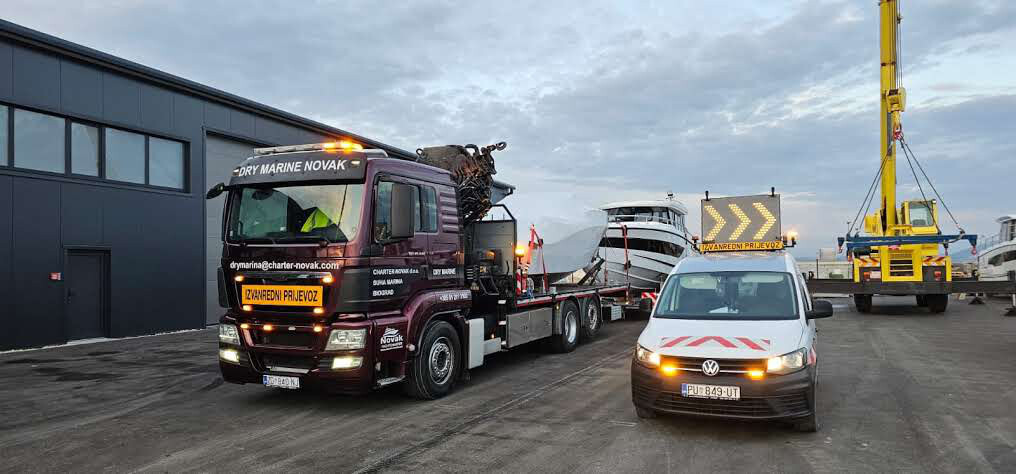
The off-season is often seen as a “quiet period,” but it is precisely during this time that most issues arise that can later affect the start of a new charter season. Unplanned maintenance, delays in returning the boat to its base, or poorly organized relocation are among the most common causes of technical and operational problems ahead of the first charter bookings.
One of the most important steps in avoiding off-season problems is timely planning of all activities outside the active charter period. This includes clearly defined servicing schedules, decisions regarding winter storage locations, and pre-arranged relocation if the boat is moved to another marina or country. Boats that are relocated without a clear plan often enter the new season under significant time pressure.
Special attention should be given to coordinating boat preparation with the transport itself. When a vessel is moved over longer distances, it is essential to ensure reliable boat transport that is aligned with planned servicing and the scheduled return to the charter base. Transport that is organized in advance significantly reduces the risk of delays and unnecessary additional costs.
Owners who think several steps ahead find it much easier to maintain continuity in their charter operations. Rather than dealing with last-minute issues, a structured approach to off-season activities allows for a smoother start to the new season and better overall control of the boat’s condition.

The period before and after the charter season plays an equally important role as the season itself. This is when key decisions are made that affect a boat’s technical condition, long-term value, and readiness for the next charter cycle. Servicing, preparation, and careful planning of off-season relocation allow a vessel to enter the new season reliably and without unexpected disruptions.
Whether a boat remains in the same marina or is moved to another port or country, it is essential that the entire process is planned in advance. Professionally organized logistics, including safe boat transport across Europe, give owners and charter companies greater control over timing, costs, and the technical preparation of their vessels.
When off-season activities are properly coordinated, a charter boat enters the new season without deadline pressure, fully prepared for guests and daily operations. This structured approach helps ensure long-term fleet reliability, customer satisfaction, and stable charter operations from one season to the next.
We will receive your complete list of boats and send you inquiry.